Tension keeps readers emotionally engaged, motivating them to keep turning the pages. Readers immerse themselves in your story when characters face moments of uncertainty, conflict, or suspense. They connect with characters’ feelings and challenges, becoming active participants in the story, wondering what will happen next. They can’t wait to turn the pages.
Six Ways to Add Tension
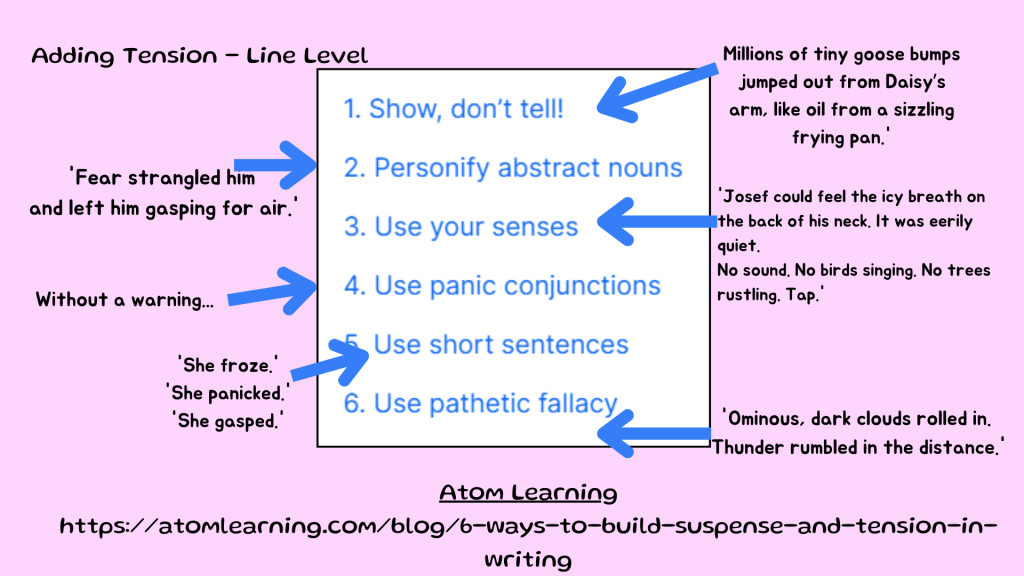
In an article by Atom Learning, six ways to add tension are mentioned.
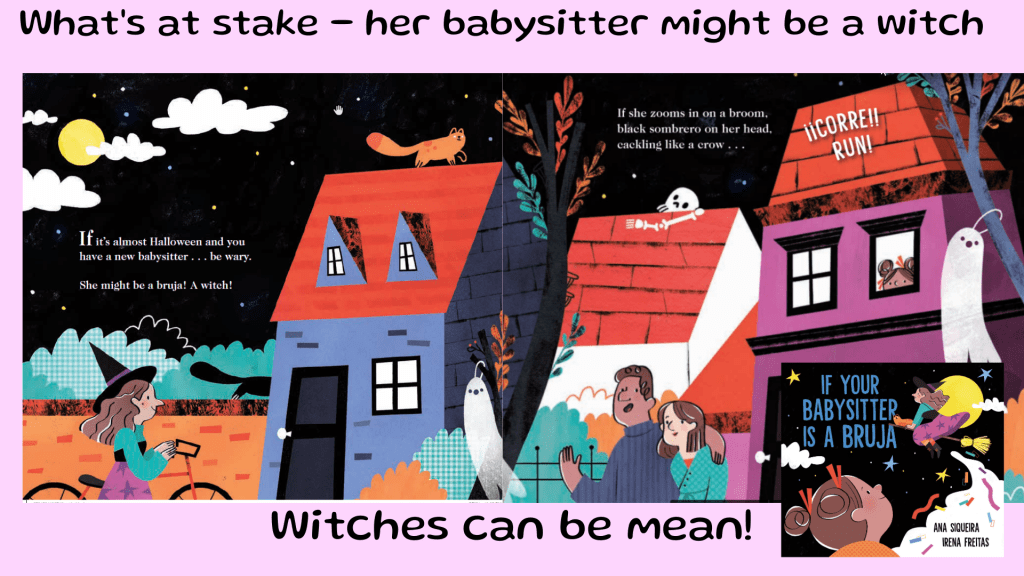
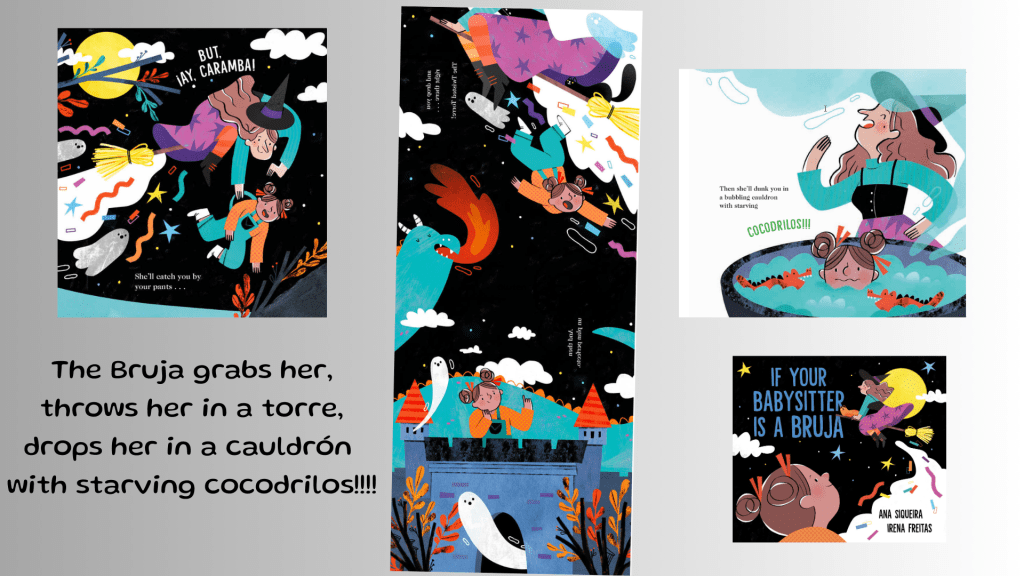
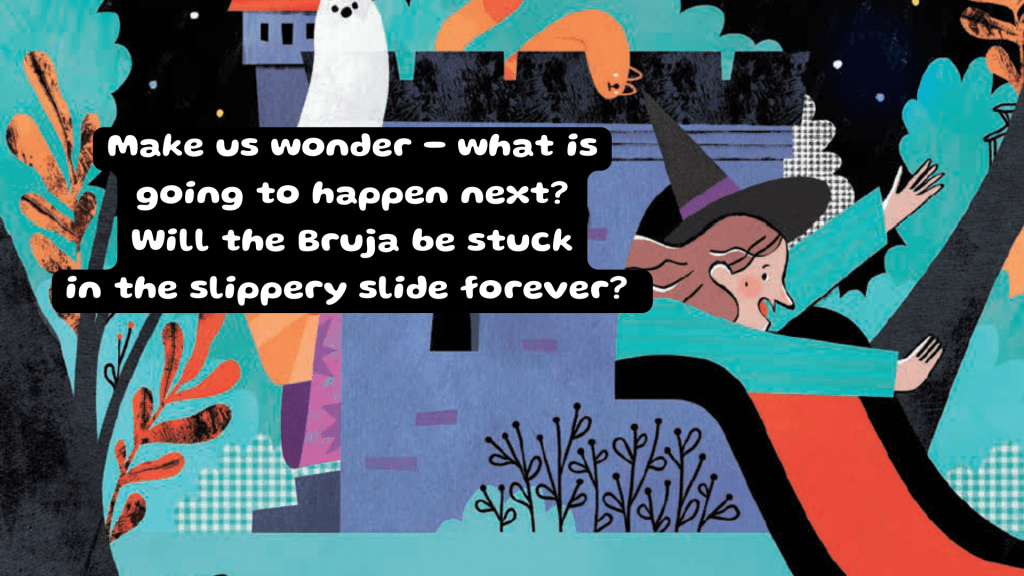
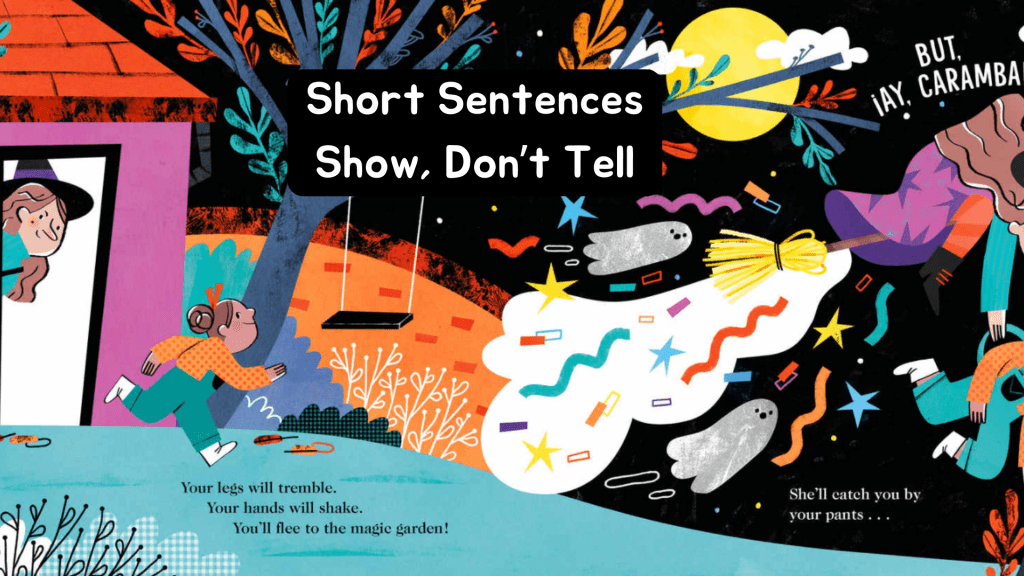
- Show, Don’t Tell – Show your characters’ feelings through their emotions. In If Your Babysitter is a Bruja when the character is scared, her feelings are shown.
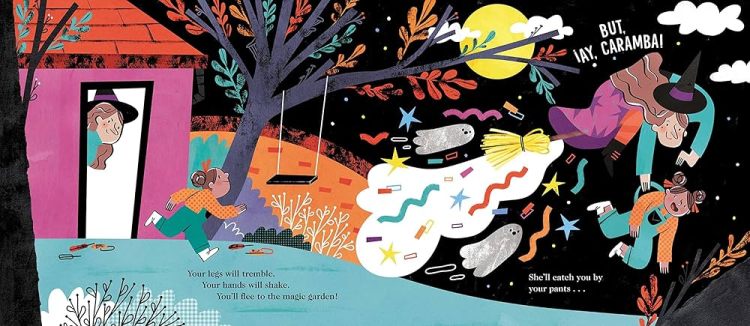
2. Personify abstract nouns – Maybe his fears are strangling him. Maybe her hunger is devouring her brain and common sense. Maybe her determination moves her legs.
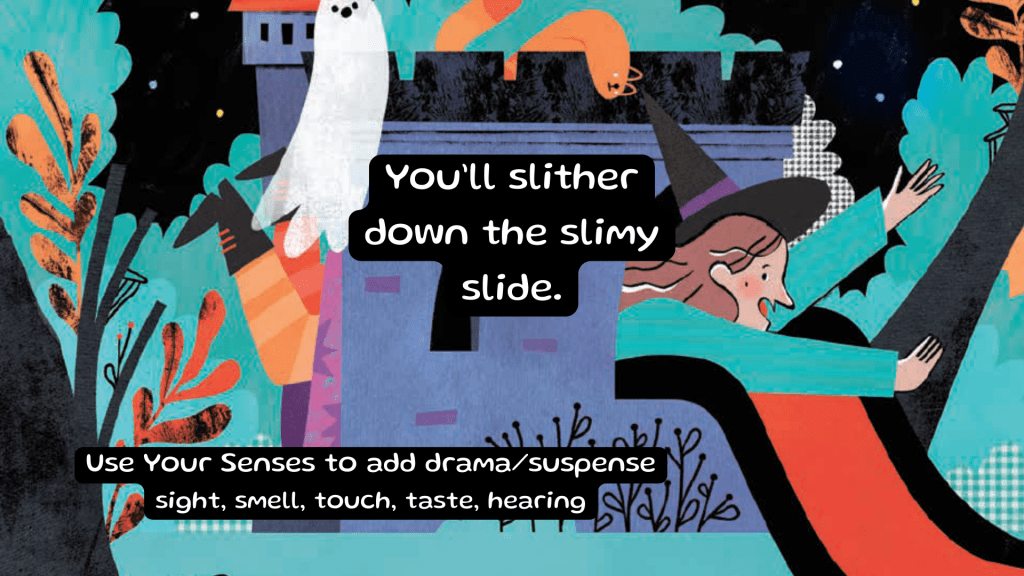
3. Use your senses to add drama – You’ll slither down the slimy slide.
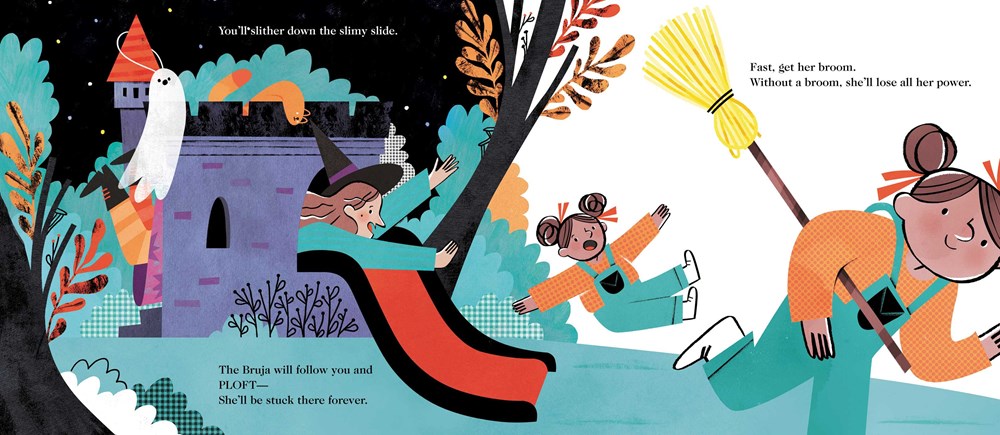
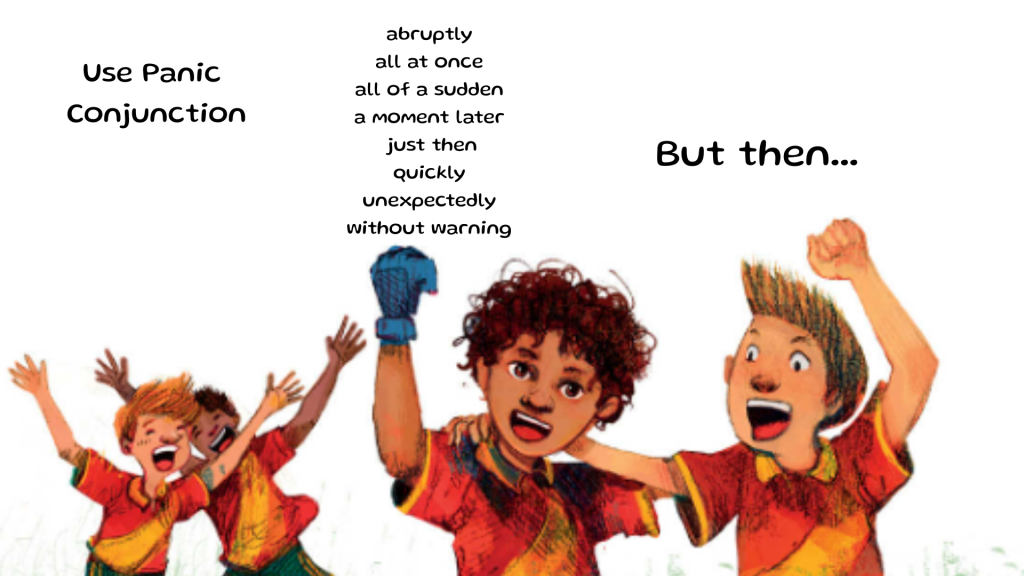
4. Use Panic Conjunction
Let your reader know something is about to happen by using one of these conjunctions: abruptly
all at once
all of a sudden
a moment later
just then
quickly
unexpectedly
without warning
5. Use short sentences.
Instead of saying, I’m flying out of the chair, while my head shakes and my stomach twirls. – Check the tension added by using short sentences (plus Show, Don’t Tell)
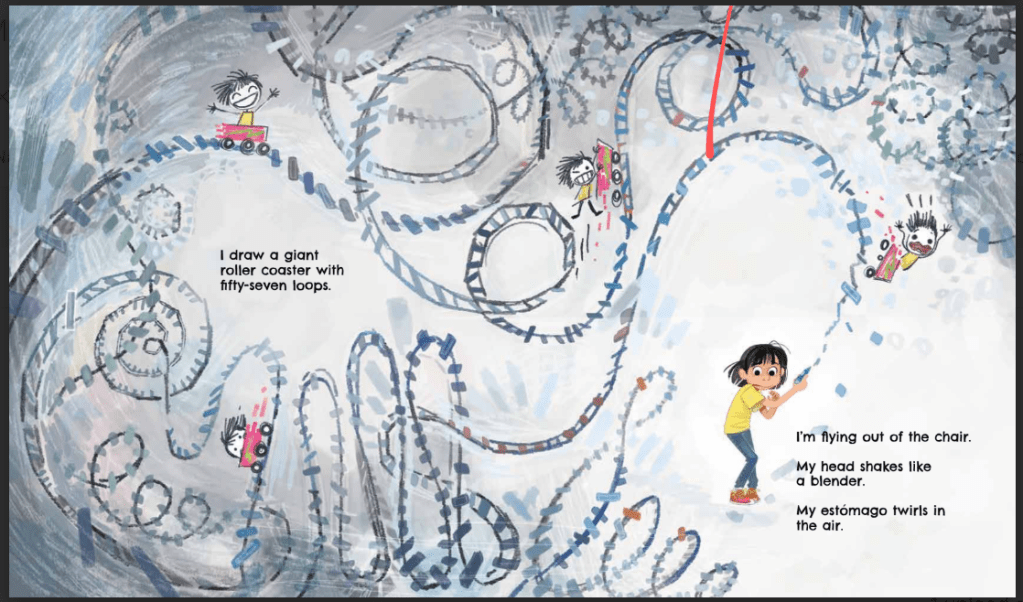
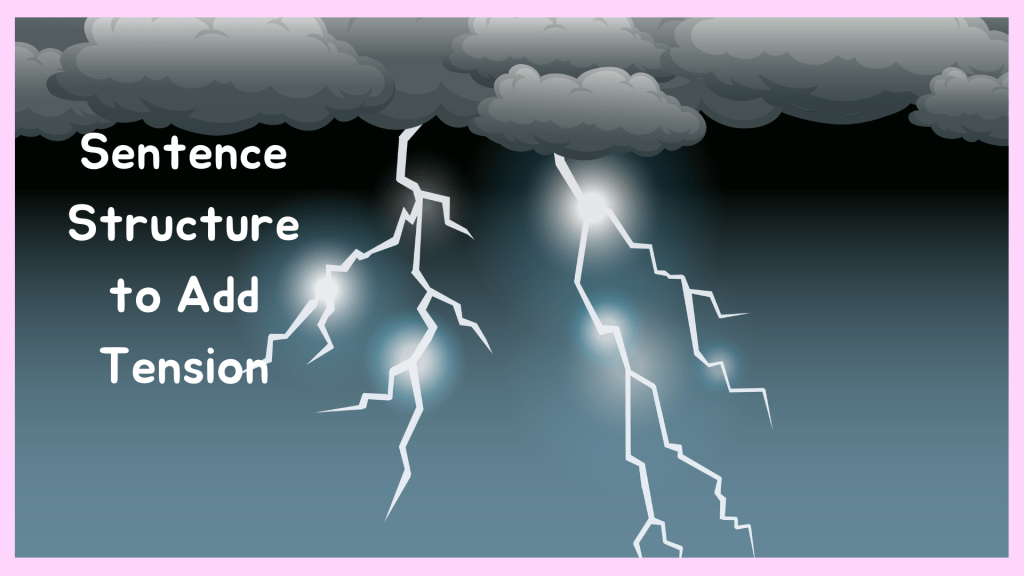
6. Use pathetic fallacy
“Pathetic fallacy is a type of personification when human emotions or feelings are attributed to weather patterns. ” (Atom Learning)
A great mentor text for using pathetic fallacy is The Snowy Day by Ezra Jack Keats, where the weather reflects Peter’s emotions.
Rain, thunder, and dark clouds can add suspense and match the character’s feelings.
More ways of adding tension will be found in the presentations below (slides and pdf)
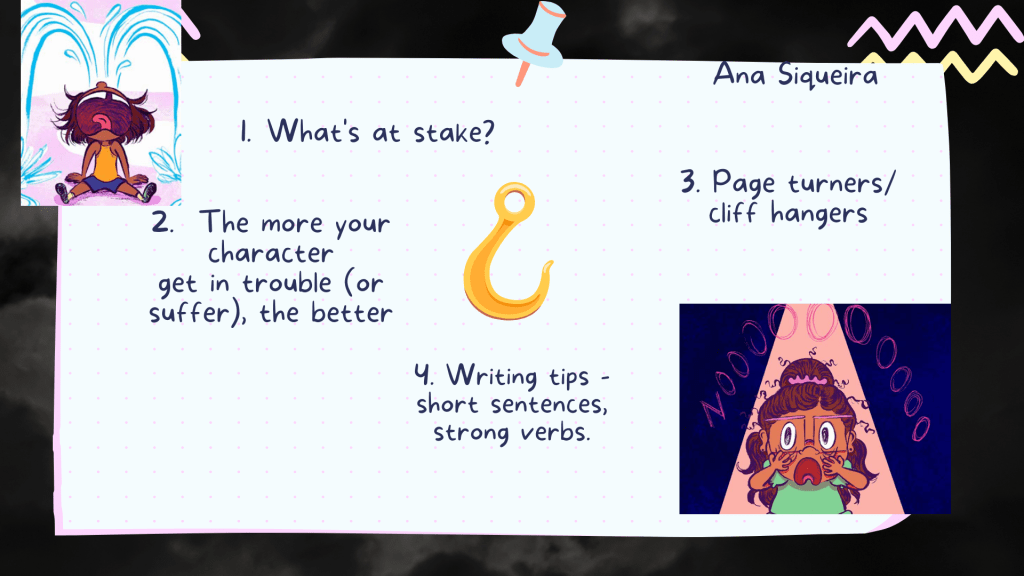

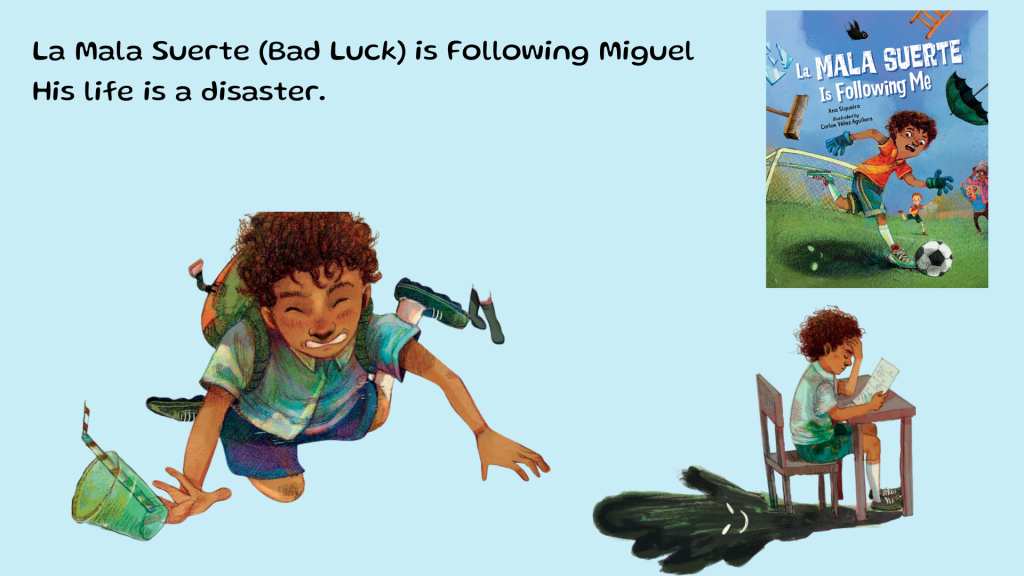
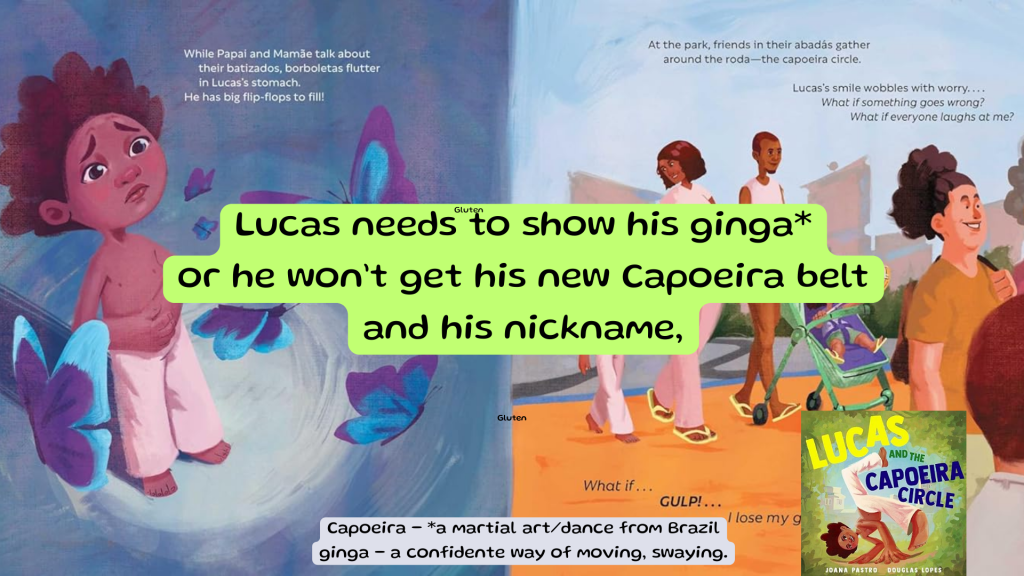


Presentation to download
Video coming soon.
 Ana - The Teacher and the Writer