How to Get Inspired
Posted byasiqueira1307Posted inUncategorizedEditHow to Get Inspired
Sometimes, even prolific writers get stuck and can’t find an idea. But if you work your inspiration muscles, ideas will flow and float in your brain. Sometimes, so many, you’ll have to find a way to put them all on paper.
The main source of ideas is your life. Pay attention to your surroundings. What is going on? Do you see a funny dog? Do you see a kid being creative? Can you imagine aliens invading a bus? But also, look inside of you. Mine memories. Think about sad, happy, proud moments in your life. As a mom and grandma, I always try to remember these moments when my children and grandchildren did something funny or special.
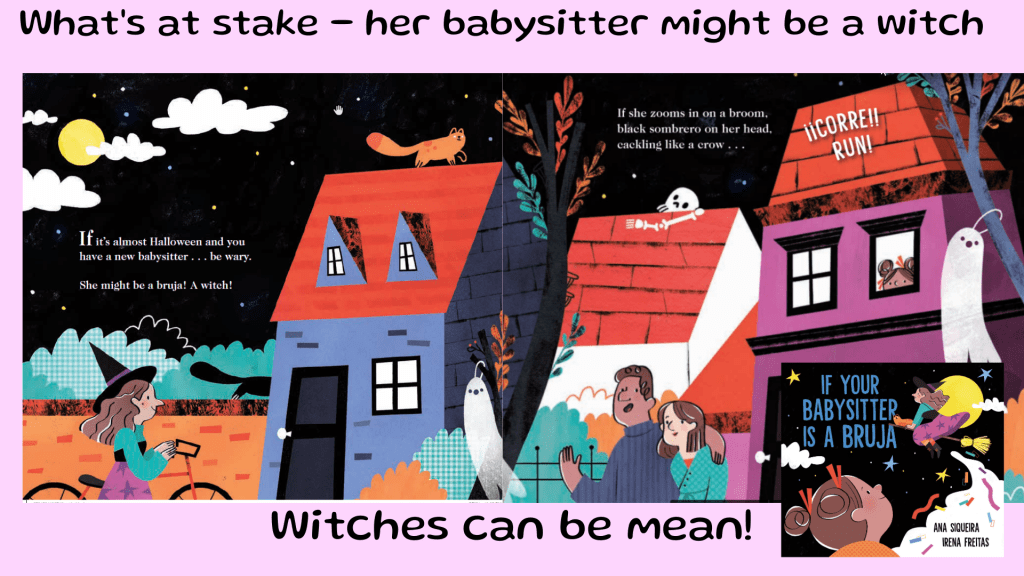
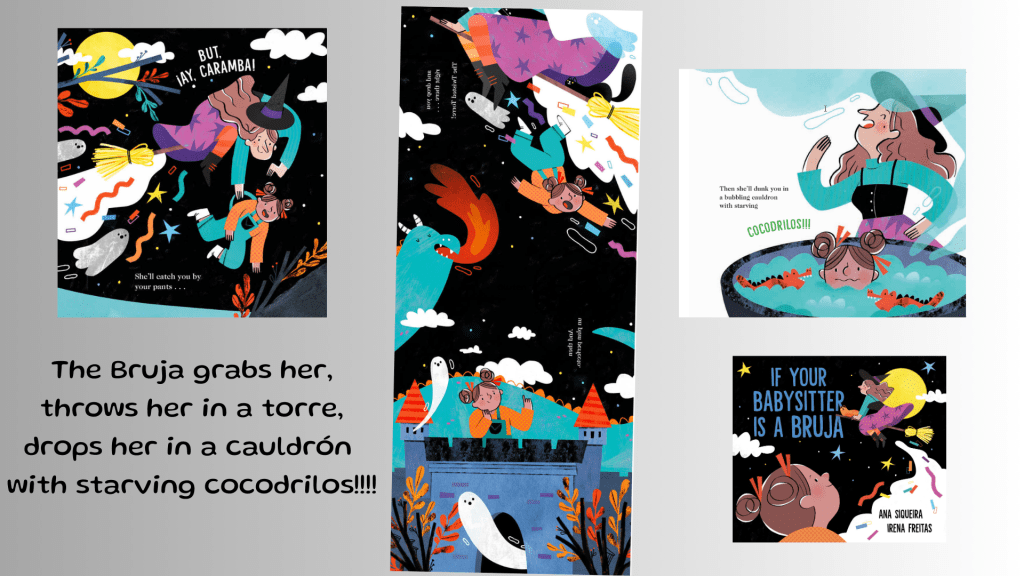
For example, If Your Babysitter is a Bruja, is based on my daughter saying I was not her real mother, but a bruja, a witch. And Sticky Hermana is basically my life, with some exaggeration, with my sticky hermana Monica.
So, mine memories, look around, write, doodle, brainstorm, share ideas with friends, read, read and read, and your ideas will start jumping in your brain like popcorn.
See below my presentation to show yourself and your students how to get inspired.
Copy of Where can you find ideas Download
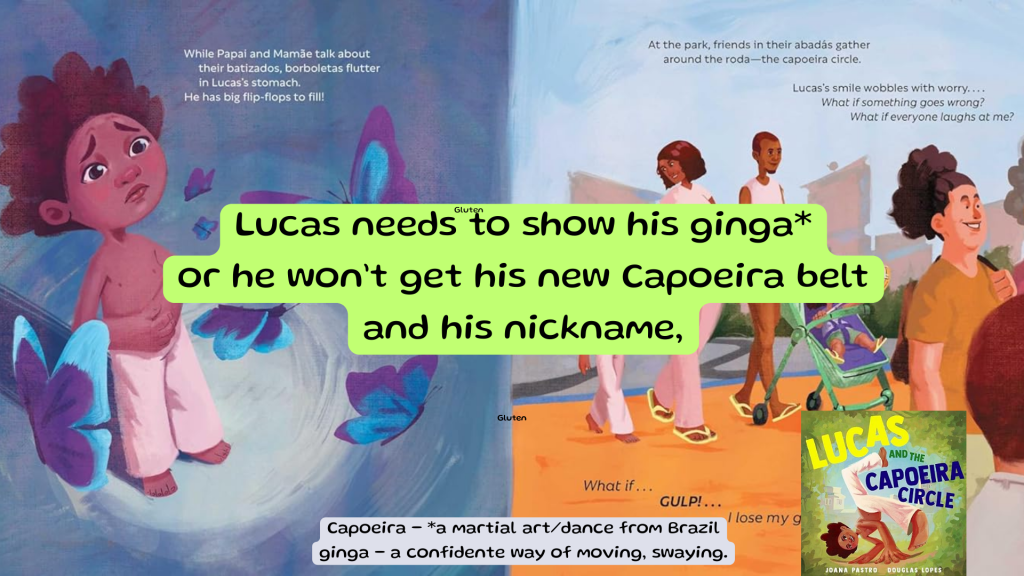
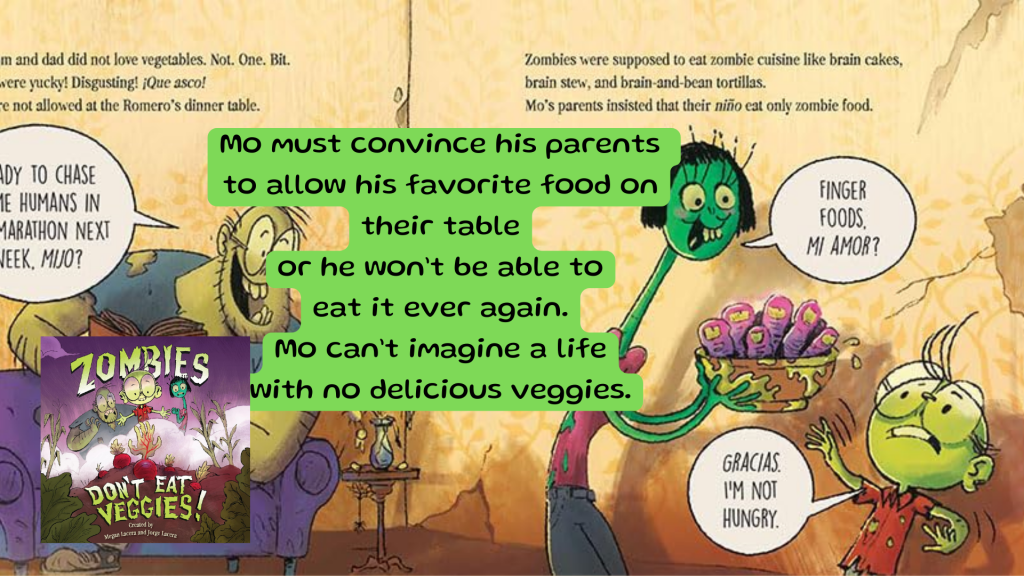
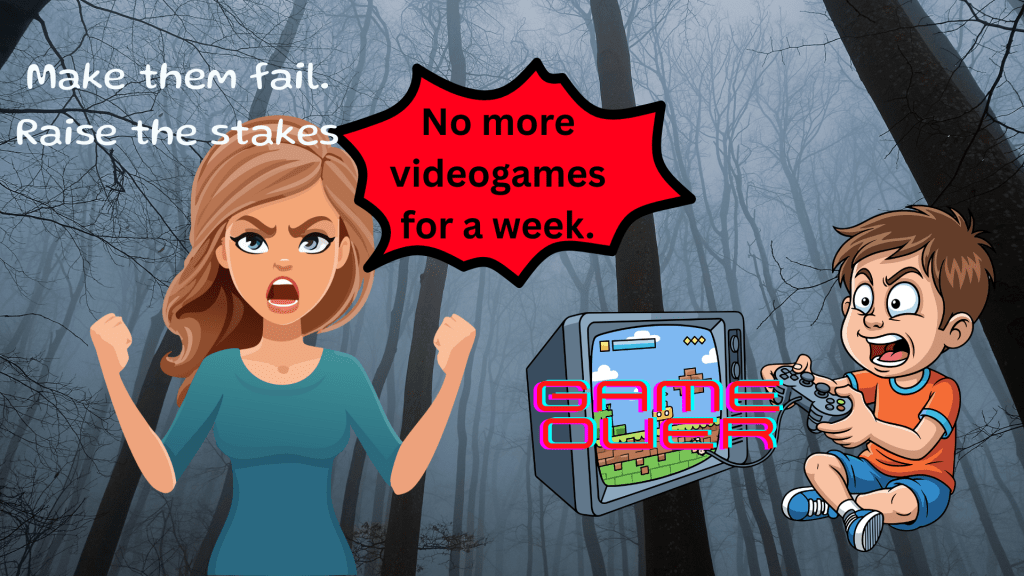
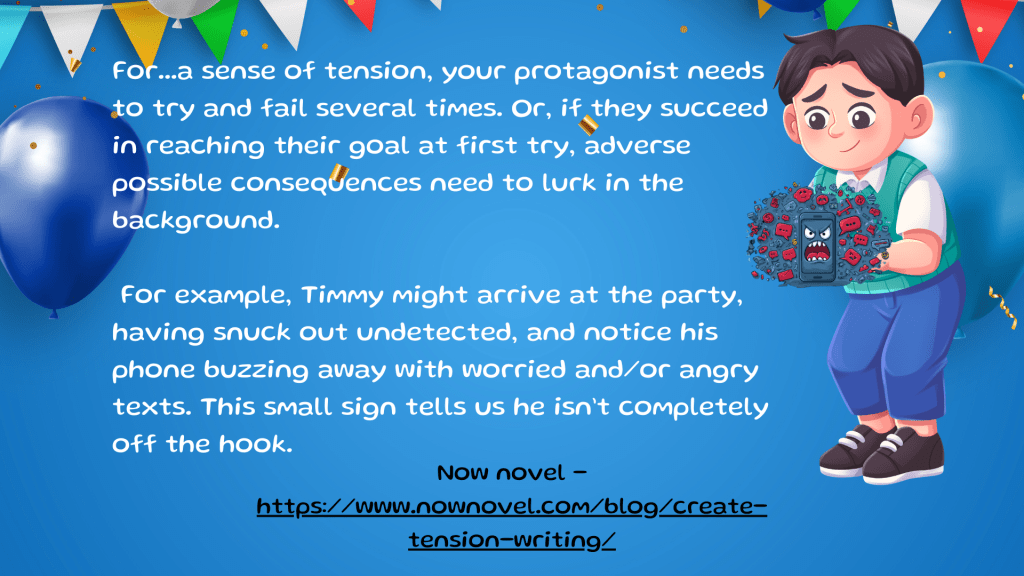
Adding Tension
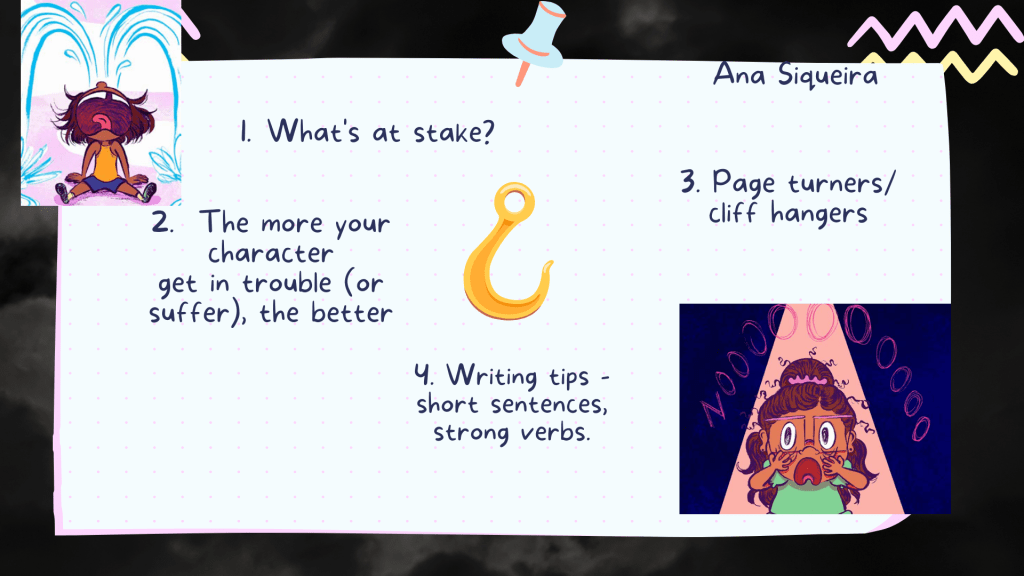
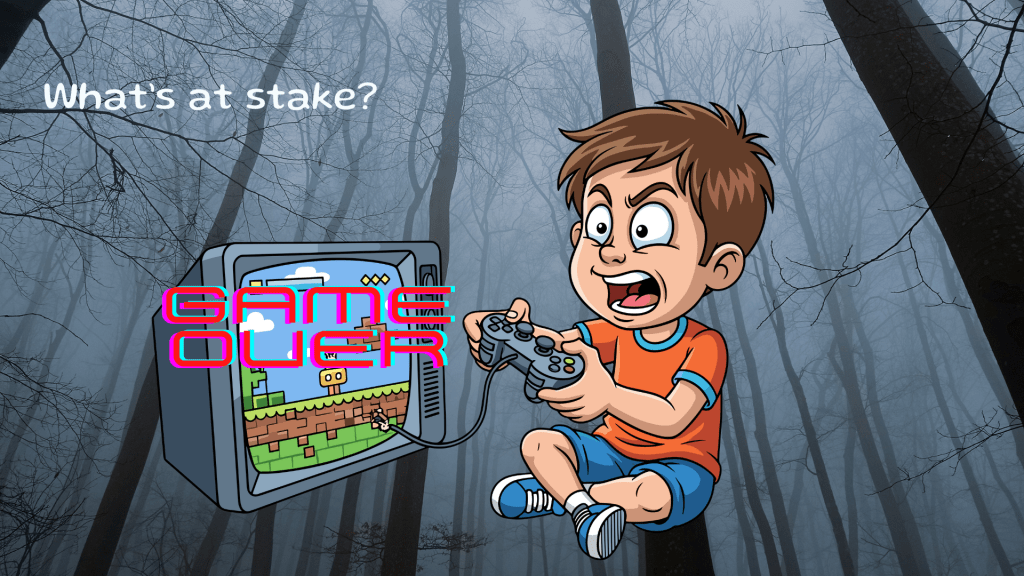
Tension keeps readers emotionally engaged, motivating them to keep turning the pages. Readers immerse themselves in your story when characters face moments of uncertainty, conflict, or suspense. They connect with characters’ feelings and challenges, becoming active participants in the story, wondering what will happen next. They can’t wait to turn the pages.
Six Ways to Add Tension
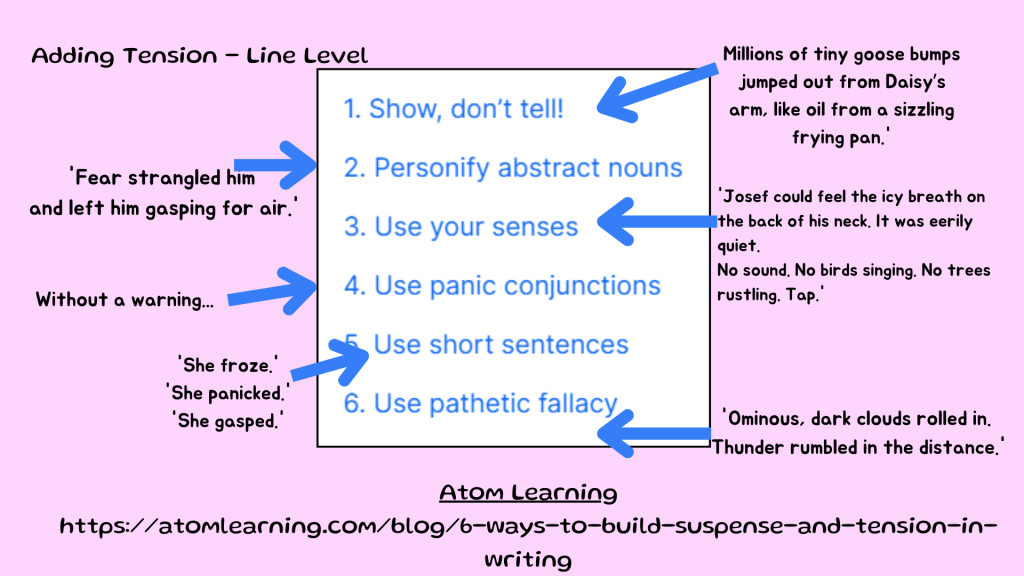
In an article by Atom Learning, six ways to add tension are mentioned.
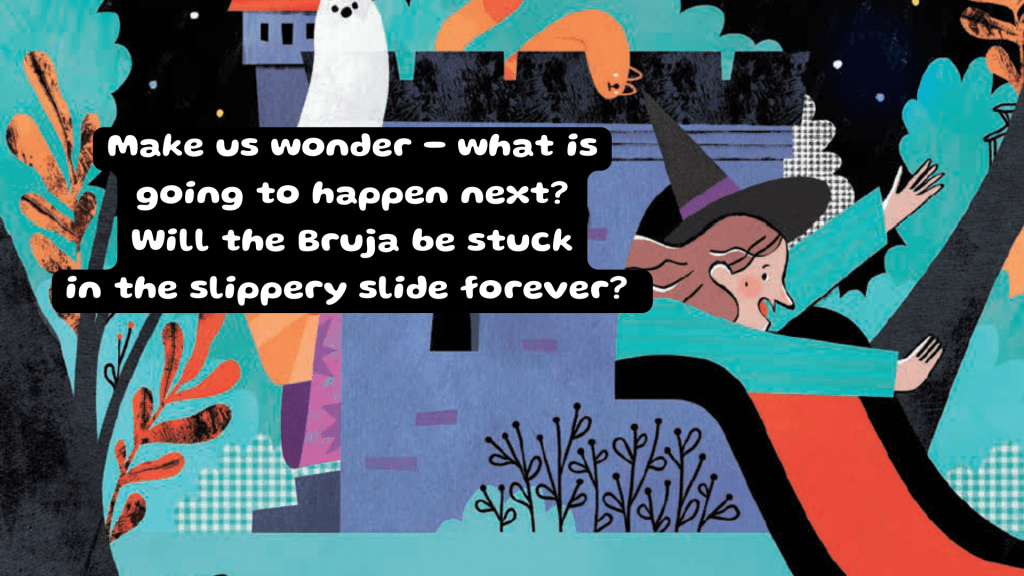
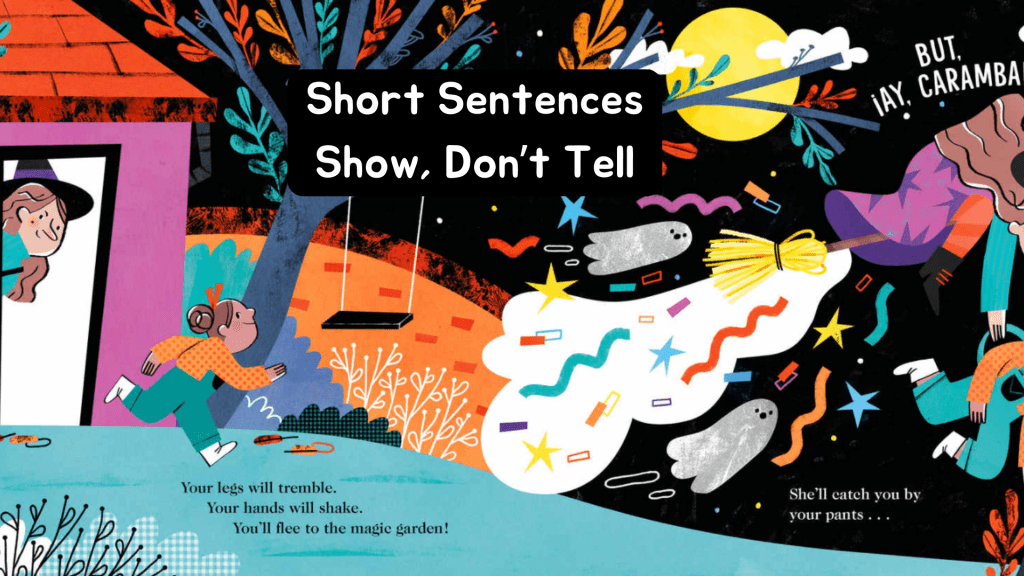
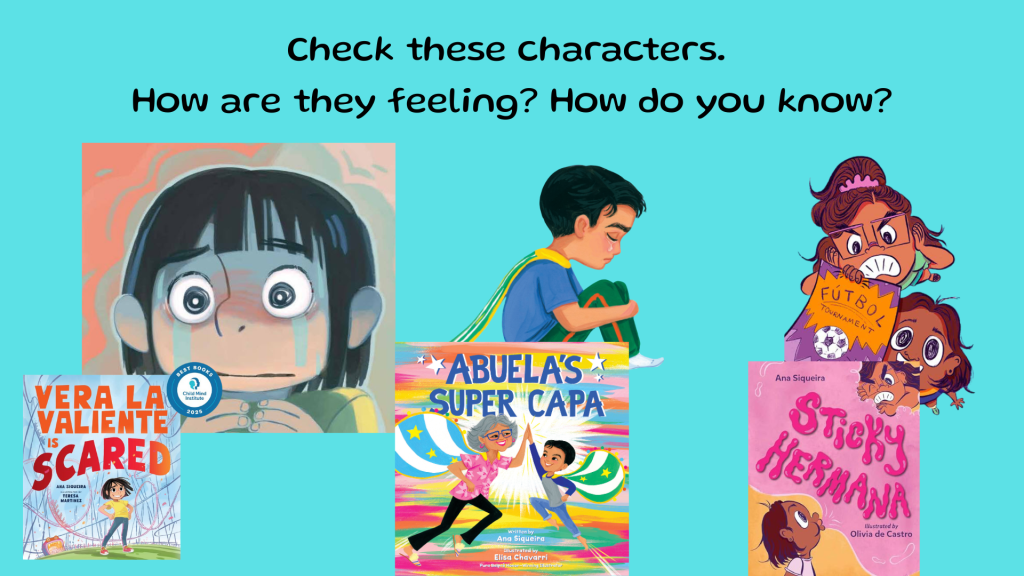
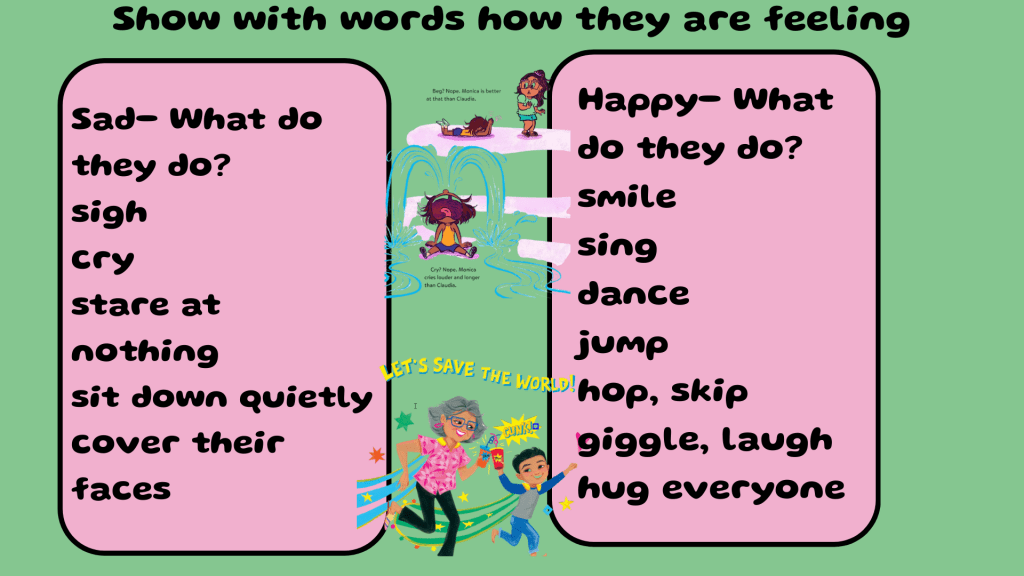
- Show, Don’t Tell – Show your characters’ feelings through their emotions. In If Your Babysitter is a Bruja when the character is scared, her feelings are shown.
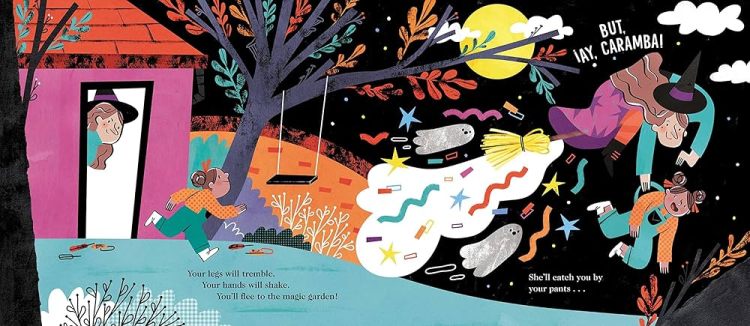 Show their emotions. Don’t just tell them.
Personify abstract nouns – Maybe his fears are strangling him. Maybe her hunger is devouring her brain and common sense. Maybe her determination moves her legs.
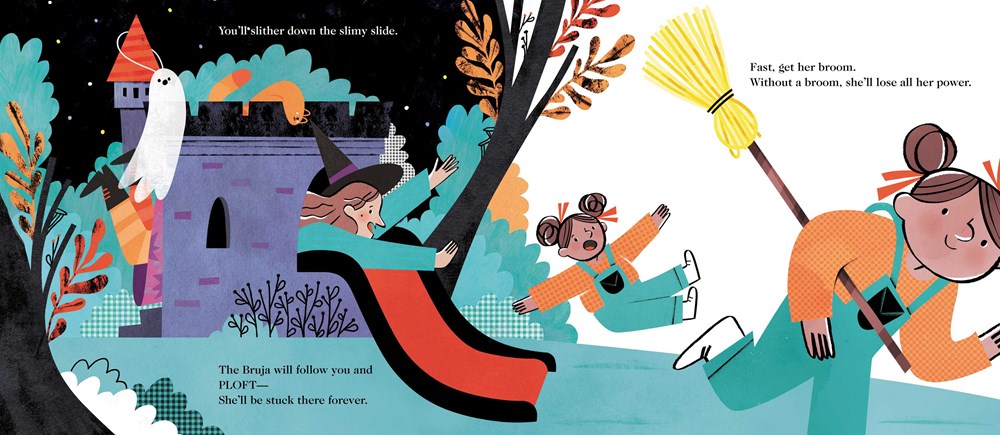
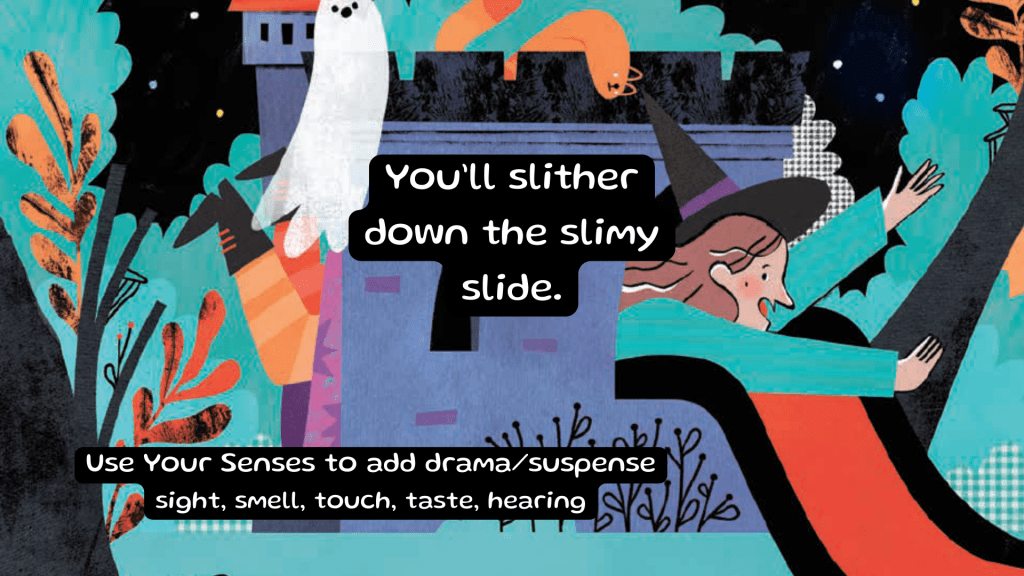
3. Use your senses to add drama – You’ll slither down the slimy slide.
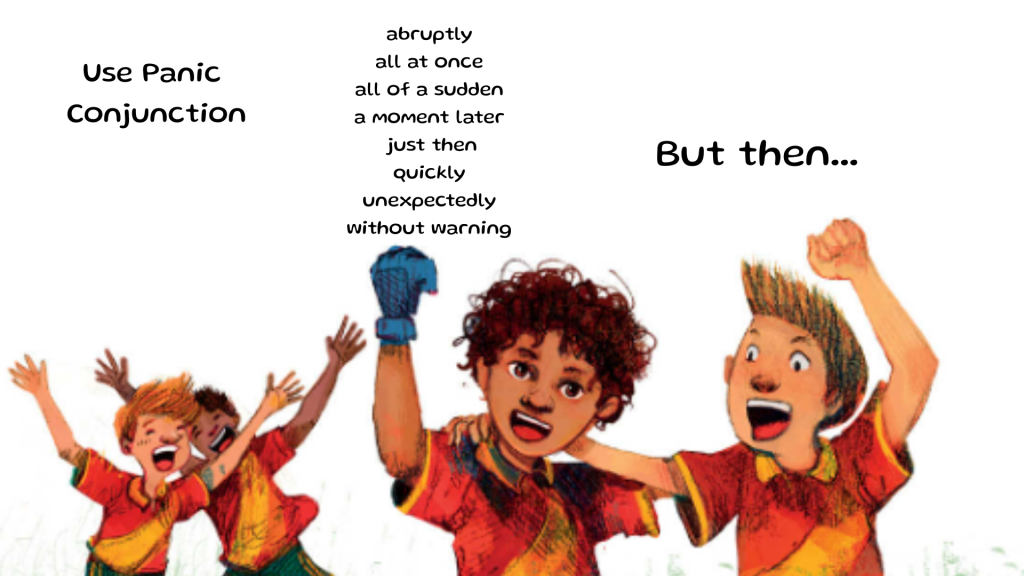
4. Use Panic Conjunction
Let your reader know something is about to happen by using one of these conjunctions: abruptly
all at once
all of a sudden
a moment later
just then
quickly
unexpectedly
without warning
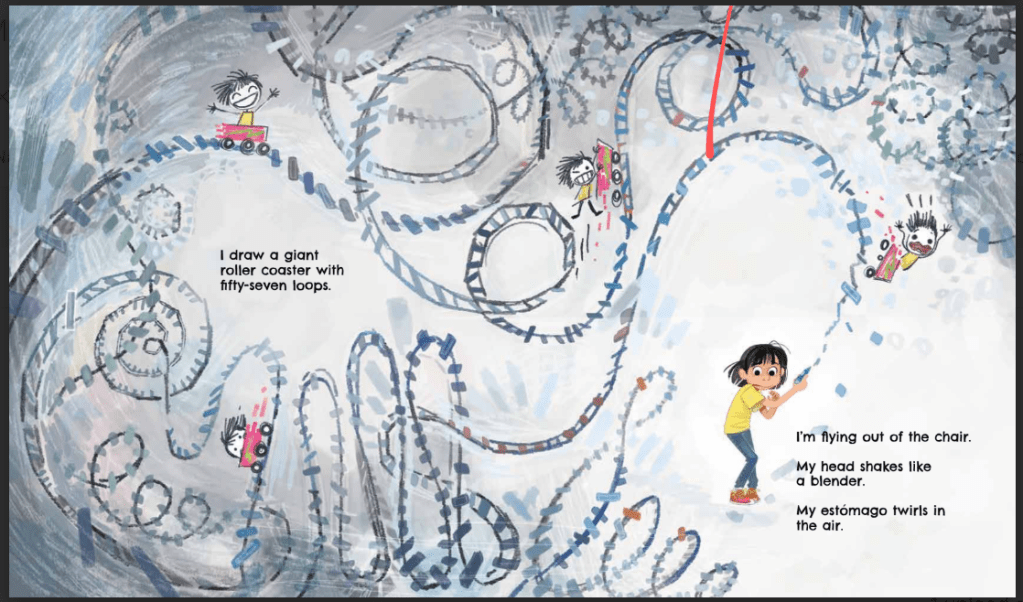
5. Use short sentences.
Instead of saying, I’m flying out of the chair, while my head shakes and my stomach twirls. – Check the tension added by using short sentences (plus Show, Don’t Tell)
6. Use pathetic fallacy
“Pathetic fallacy is a type of personification when human emotions or feelings are attributed to weather patterns. ” (Atom Learning)
A great mentor text for using pathetic fallacy is The Snowy Day by Ezra Jack Keats, where the weather reflects Peter’s emotions.
Rain, thunder, and dark clouds can add suspense and match the character’s feelings.
More ways of adding tension will be found in the presentations below (slides and pdf)
Why am I changing my playlist?
Posted by asiqueira1307 February
Dear educators and authors, a few months ago, I created my YouTube Playlist and blog/newsletter called – Big Feelings, Tiny Tales. It was all about writing craft plus Social Emotional Learning. Due to a lack of time and based on my strength as a professional children’s book author, I decided to focus on writing tips for little ones. And my videos will be shorter too.
So far, I have included the following:
Getting Inspired
Story Elements
My Writing Process
Descriptive Language
Hooking Your Readers
Adding Humor
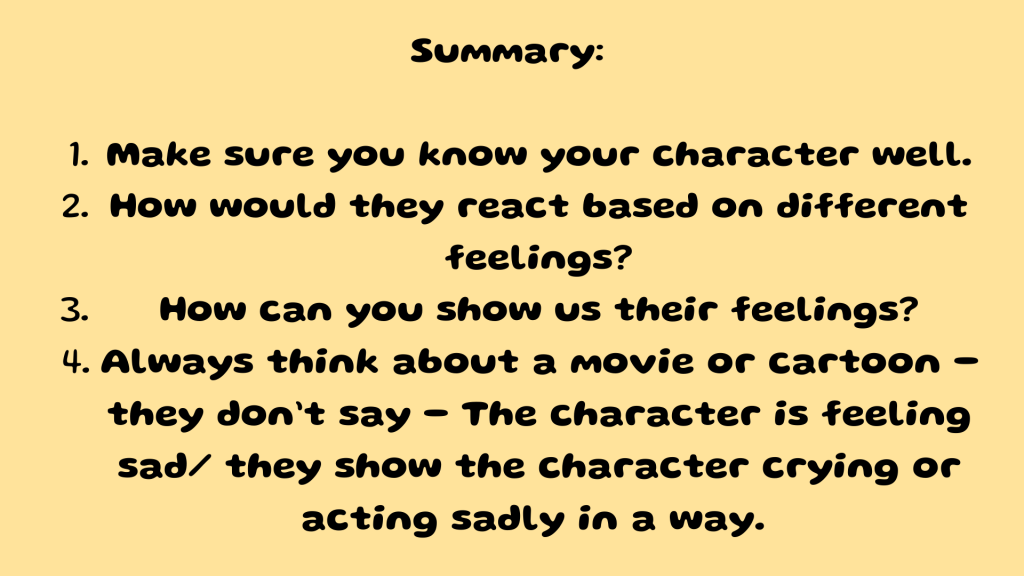
And today, I’m talking about – Show, Don’t Tell.
Next week… Adding Suspense.
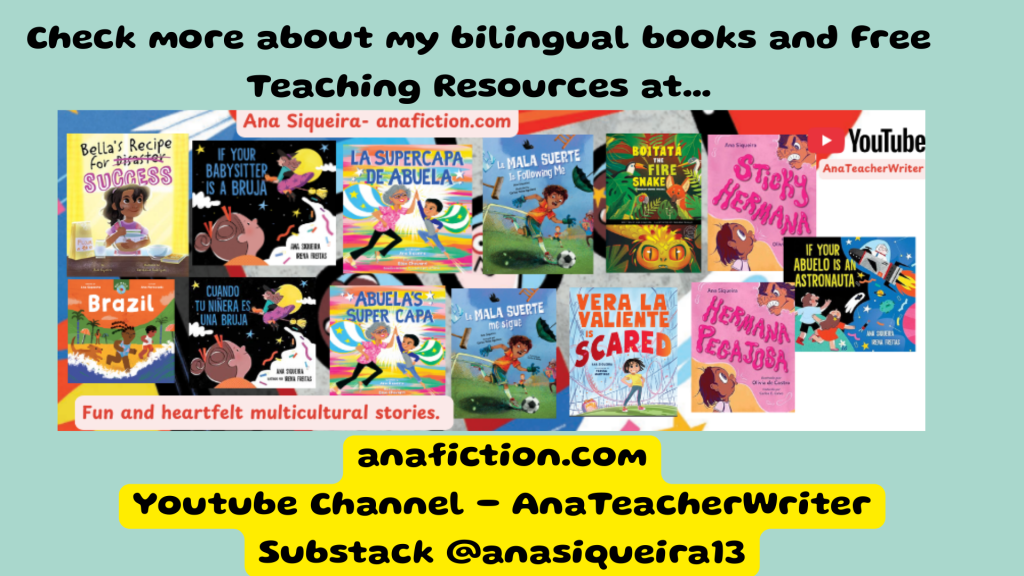
Video, presentation, and activity kits – Free – are included. – Check below.
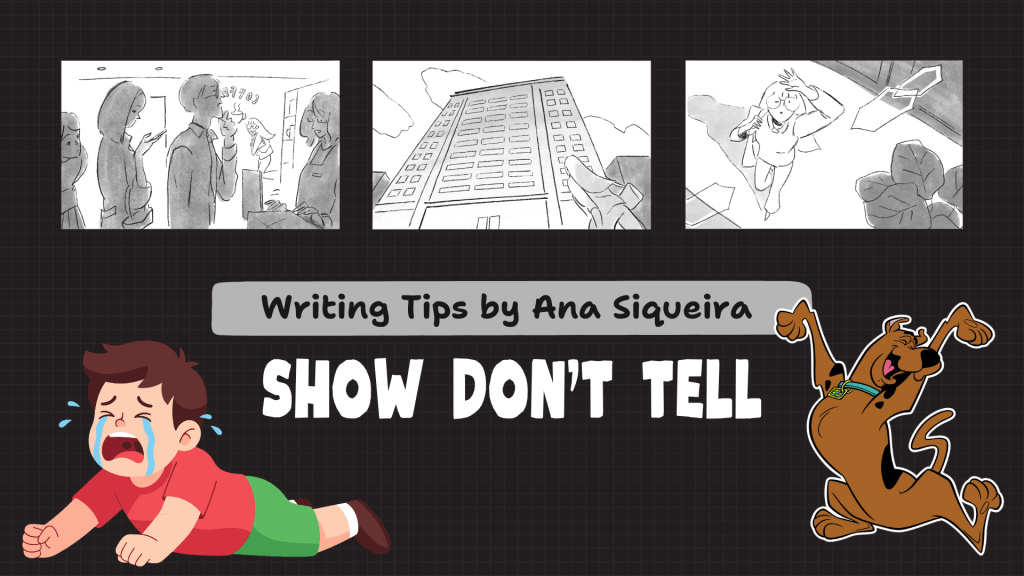
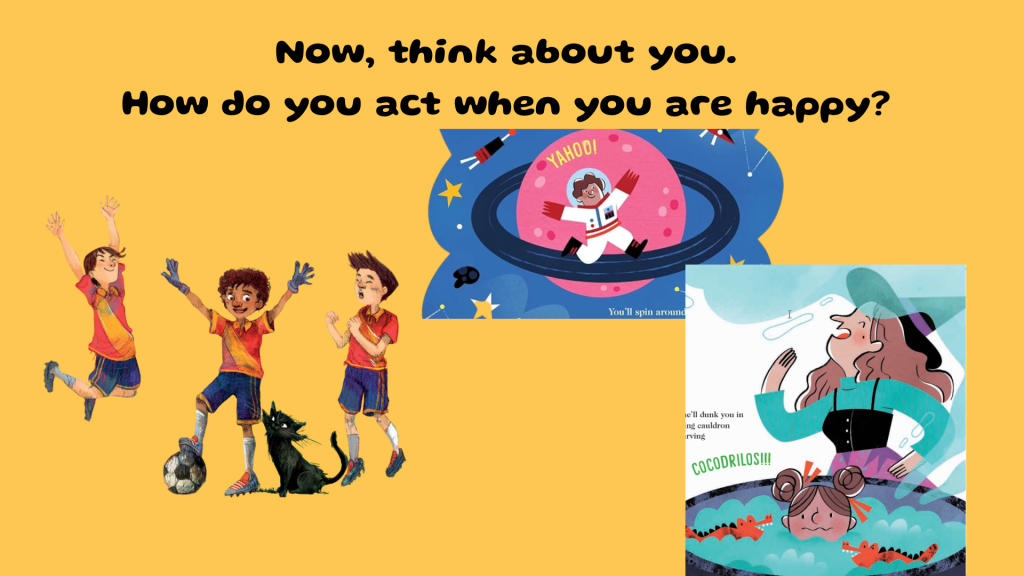
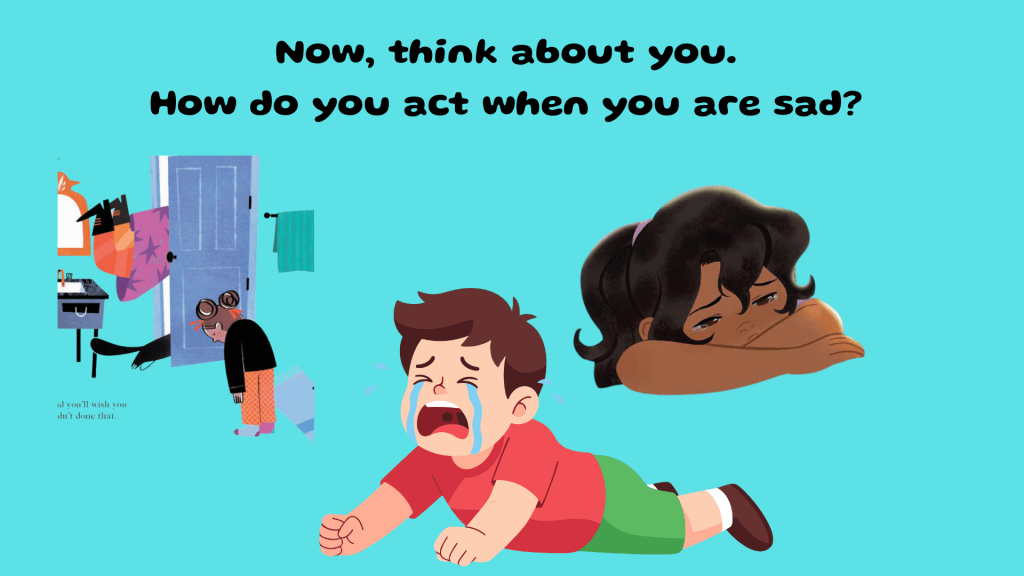
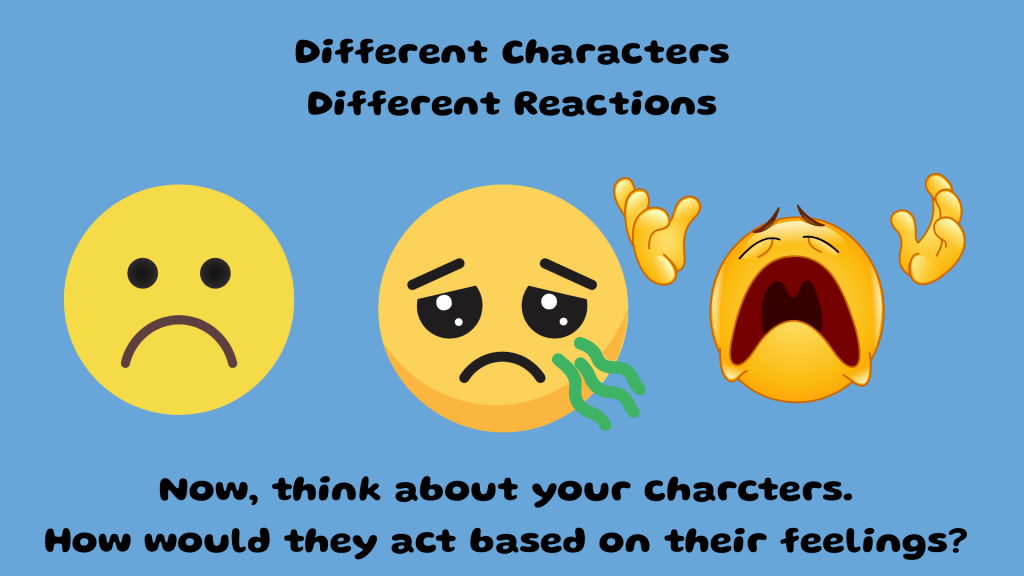
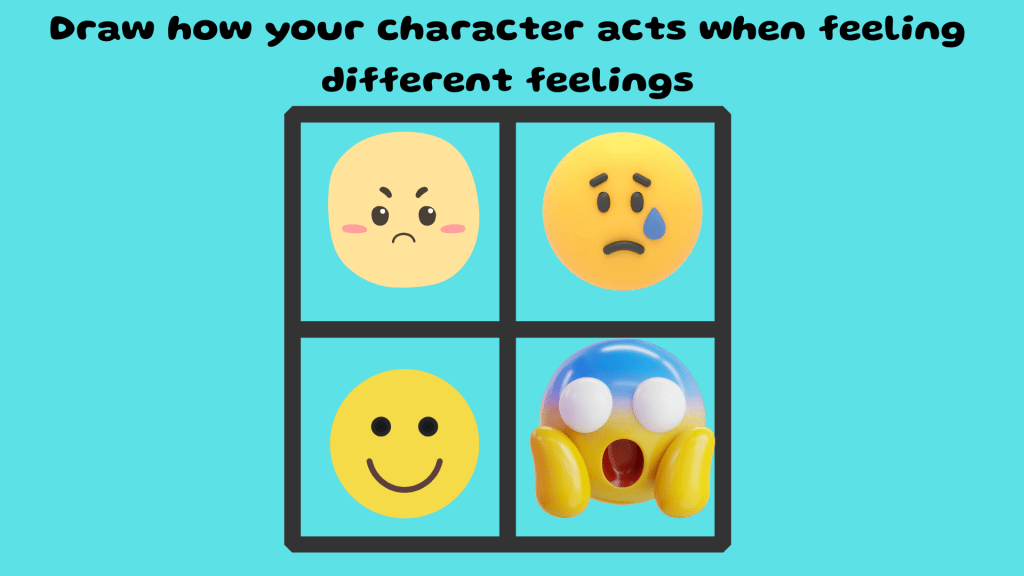
YouTube Video – check my playlist Writing Craft.
Activity kit coming soon.
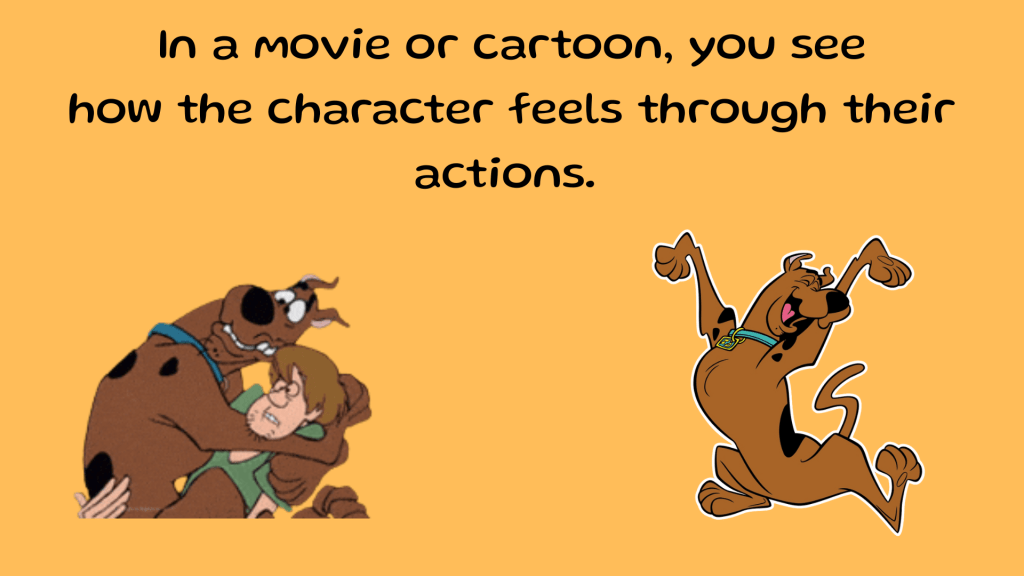
Make sure to show your characters’ feelings through actions and reactions. When writing, think about what they would be doing if they were in a movie or cartoon.
I hope my slides and videos will be useful to beginner authors and to educators to teach your little ones to write like professionals. Great for 3rd to 5th graders.
Videos, Mentor Text, and Activities for Little Learners with Big Hearts – Vlog
For Little Learners, with Big Hearts.
Where mentor text magic meets Social Emotional Learning (SEL) and writing craft!
Welcome to Tiny Tales, Big Feelings, a playlist on my YouTube Channel – AnaTeacherWriter.
Tiny Tales, Big Feelings is your go-to space for teaching Social Emotional Learning (SEL) and writing craft through diverse, and bilingual picture book mentor texts! Each episode brings SEL strategies and writing craft lessons—from expressive language and character growth to empathy and resilience—paired with inclusive picture books that inspire little learners to write with heart and creativity. Perfect for educators, parents, and anyone who loves empowering kids through stories.
Our mission is to help educators, parents, and caregivers teach big feelings and strong writing skills through diverse and bilingual picture books. Each episode brings SEL strategies and creative writing lessons—from growth mindset and empathy to expressive language, plot, pacing, and character development.
If you love empowering kids to write with heart and confidence, you’re in the right place!
✅ What you’ll find here:
- Mentor texts for SEL and writing craft.
- Five-minute videos about writing craft and social-emotional learning
- Tips for teaching empathy, resilience, expressing feelings, and problem-solving
- Activity Kit with creative strategies for writing skills like “Show, Don’t Tell,” adding tension, and lyrical language
- Diverse and bilingual picture book recommendations
Subscribe and join us every week for Tiny Tales that inspire Big Feelings and Big Ideas!
Subscribe
Subscribe to get our latest stories in your inbox.
Add Humor to Your Stories
In this video, you’ll get a presentation + video + activity kit to teach your little ones, or not so little, how to add humor to their stories.
I use eight funny bilingual picture books by women to show elements such as incongruity, surprise, unrelatable narrators, and more. Since the books are from different cultures, in the activity guide, you’ll find activities about their cultures and comparing and contrasting.
Video
Slides from Video
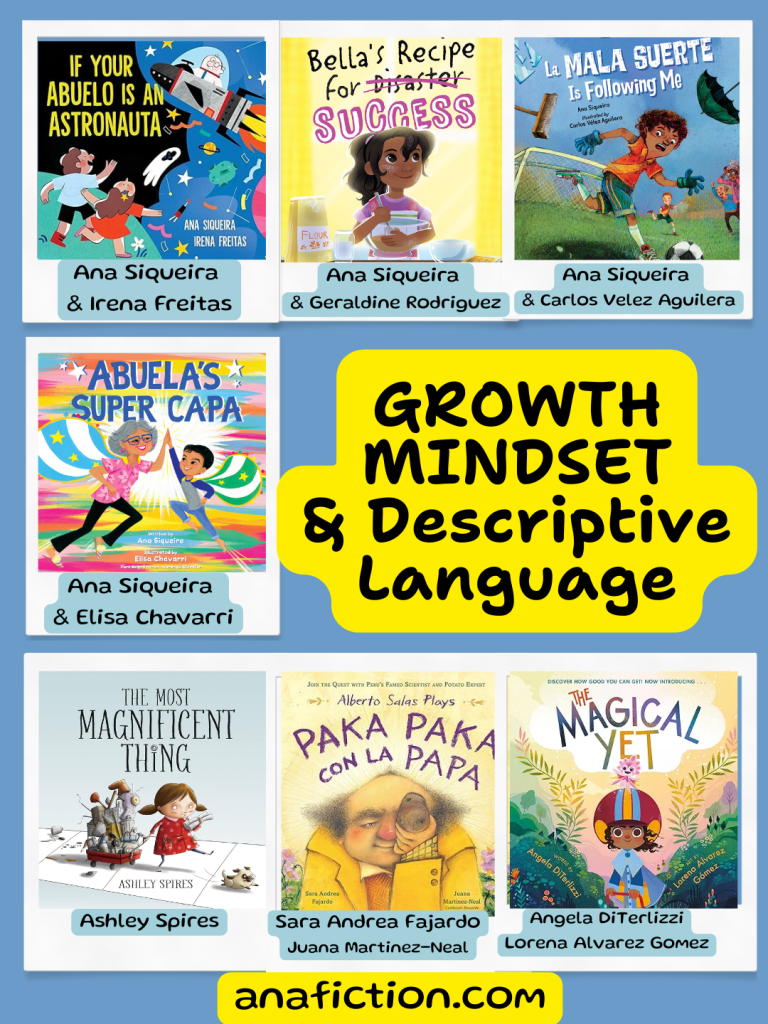
Mistakes, Magic, and Mindset: How Growth and Language Powers Great Stories
As an educator, I truly believe in the power of a growth mindset. Our brain is like a muscle—it grows stronger with practice and even through mistakes. As a children’s book author, my goal is to help kids believe they can achieve their dreams.
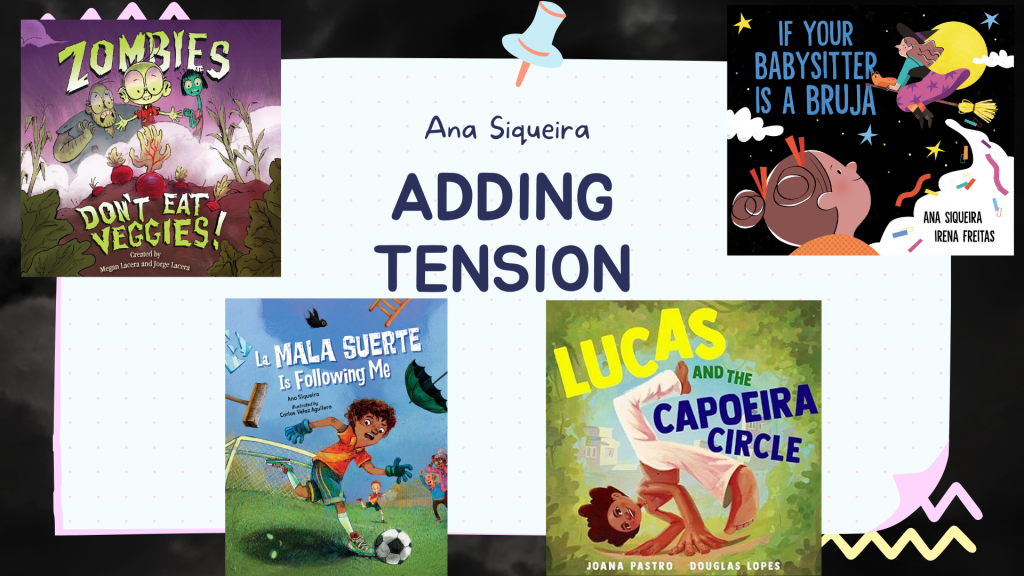
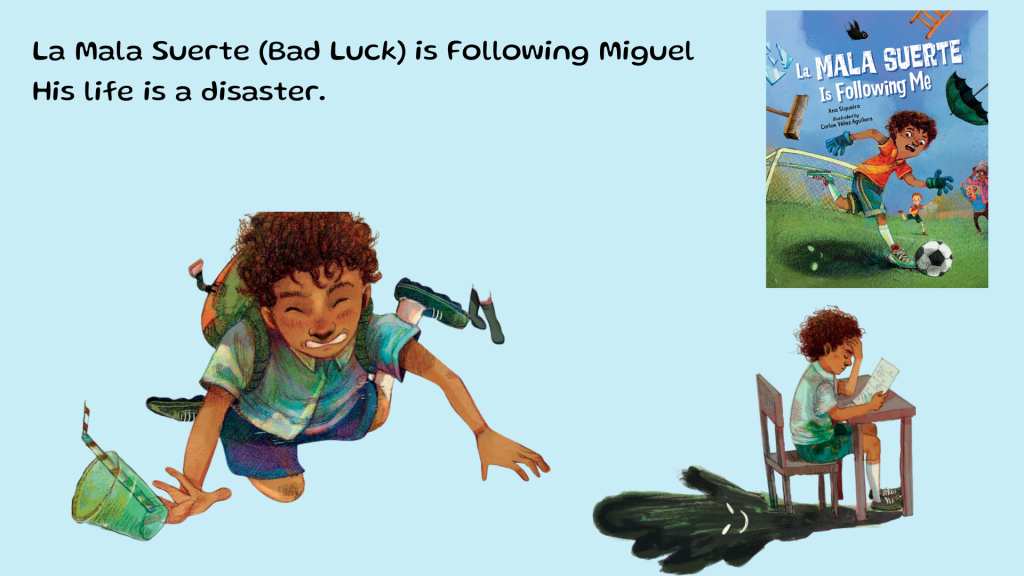
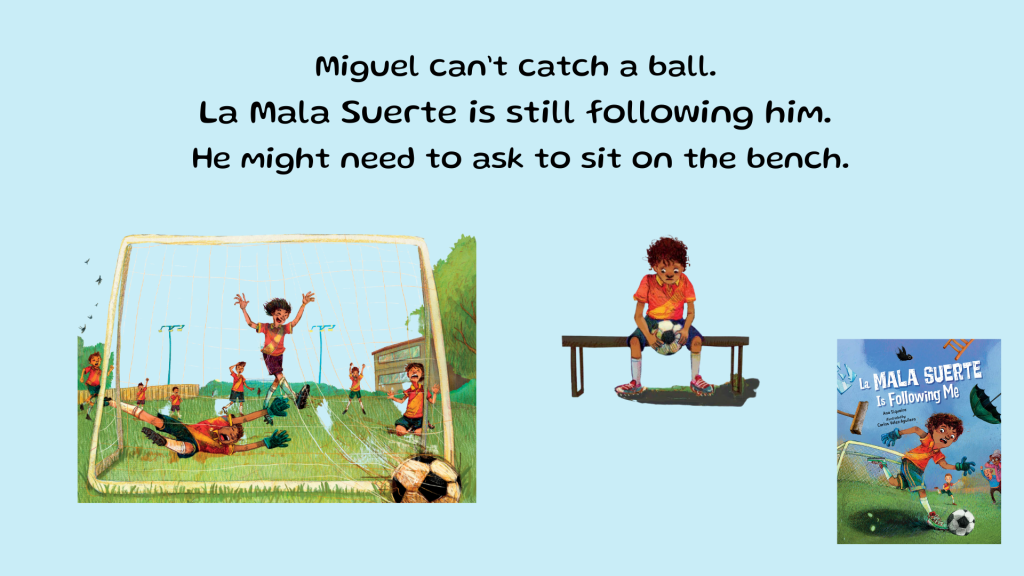
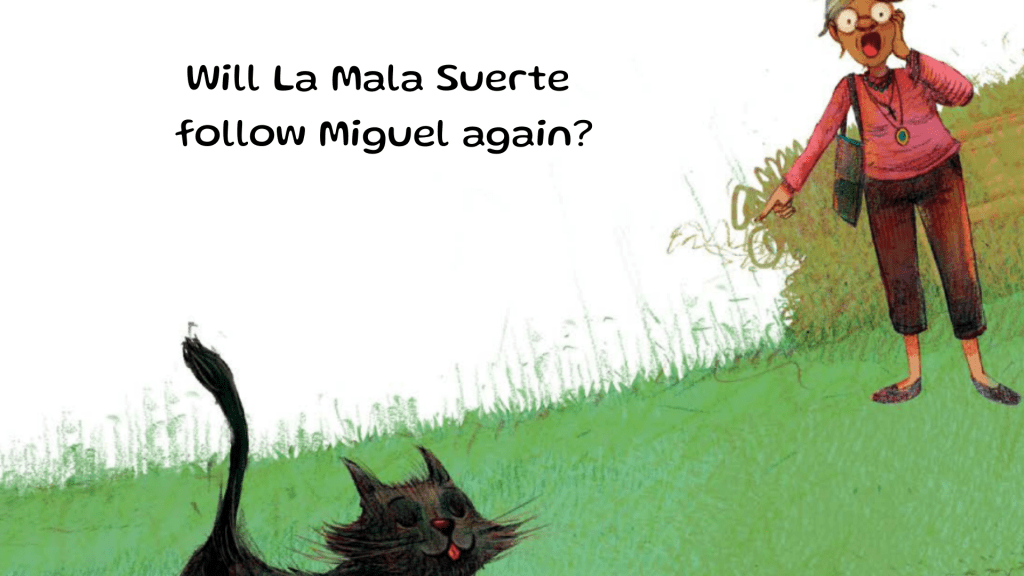
In Bella’s Recipe for Success (with Geraldine Rodriguez, Beaming Books), and in La Mala Suerte (Bad Luck) Is Following Me (with Carlos Vélez Aguilera), I explore themes of determination, learning from mistakes, and believing in yourself.
Writing these stories taught me an important lesson: mistakes are part of the process. Through revising—again and again—and with the support of my critique partners, I learned how to add fun, rhythm, and musicality to my writing.
One key element that makes stories shine is descriptive language. Similes and alliteration are my personal favorites, but there are so many tools you can use: onomatopoeia, sensory details, hyperbole, personification, and more. These techniques bring stories to life and make them unforgettable.
To help educators and parents, I’ve included my slides and activity kits along with a short five-minute video. Let’s inspire kids to embrace mistakes, keep trying, and believe they can succeed!
Slides Canva Growth Mindset and Descriptive Language
Subscribe to get weekly activity kits + presentations + videos – Writing Craft + Social Emotional Learning
Teaching Story Elements & the importance of Personal Space with Mentor Texts: A Sticky Hermana Approach
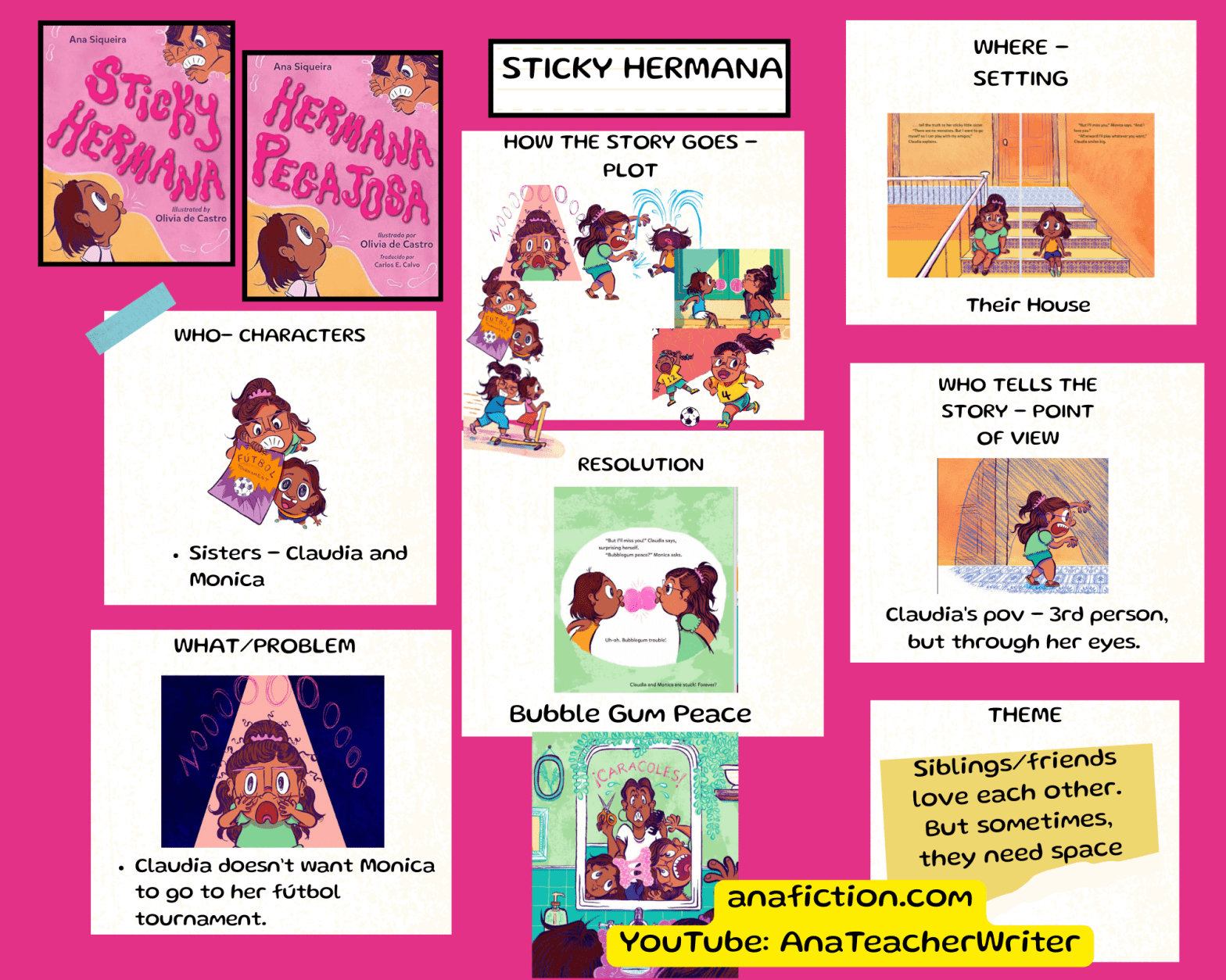
Teach Story Elements & Social-Emotional Learning with Mentor Texts!
In this video from the Little Tales, Big Feelings playlist, we explore how to teach story elements—characters, setting, plot, point of view, conflict, theme—using the bilingual book Sticky Hermana. Students will learn to describe characters, map plots, and discuss themes like sibling love and personal space, while building writing craft and SEL skills.
- How to break down story elements in engaging ways
- Creative activities for character descriptions and plot mapping
- Strategies to connect writing craft with social-emotional learning
- Mentor text examples to inspire lessons
sticky-hermana-activity-kitDownload
Hook the readers – Writing Craft for Young Authors
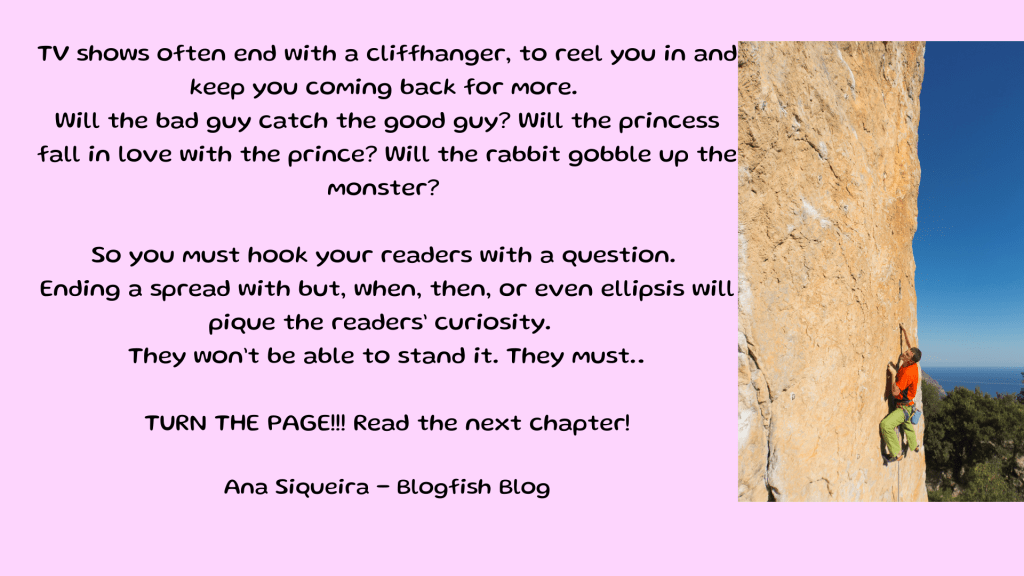
Have you ever read a book that made you say, “Just one more page…”—and then suddenly you’ve finished the whole thing? That’s the magic of a page-turner, and it’s something even young writers can learn to create.
In Video #4 of my Writing Craft Series for Kids, I share strategies to help elementary students write stories that grab attention and keep readers engaged. As a multi-published author and teacher, I know how powerful these techniques can be—not just for writing, but for building confidence and creativity.
Why Page Turners Matter
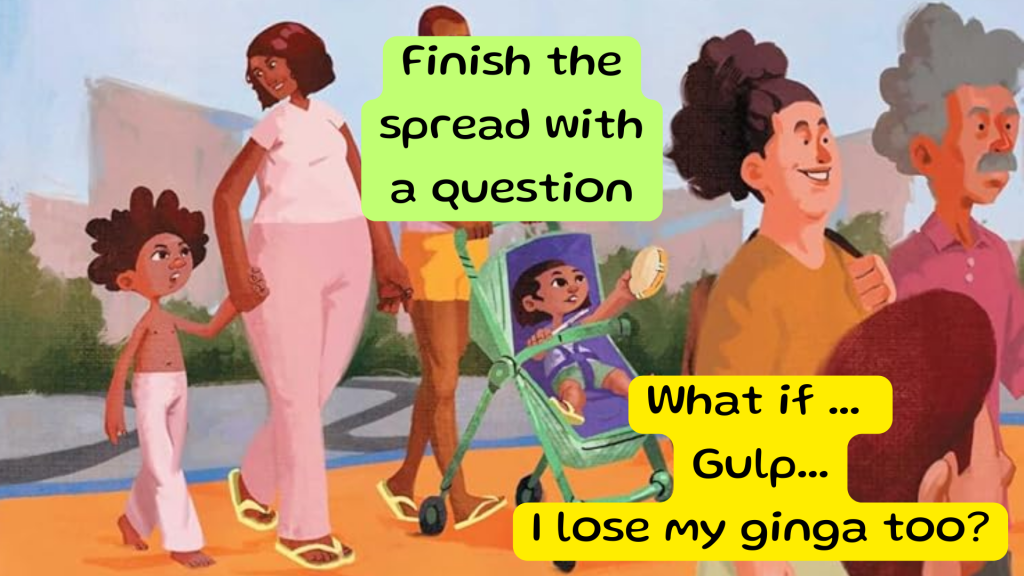
When readers feel curious, they keep reading. Page-turners create suspense and anticipation, making your story irresistible. For kids, learning this skill early helps them understand that writing isn’t just about putting words on paper—it’s about making readers feel something.
3 Ways to Hook Your Readers
1. Use Page-Turner Tools
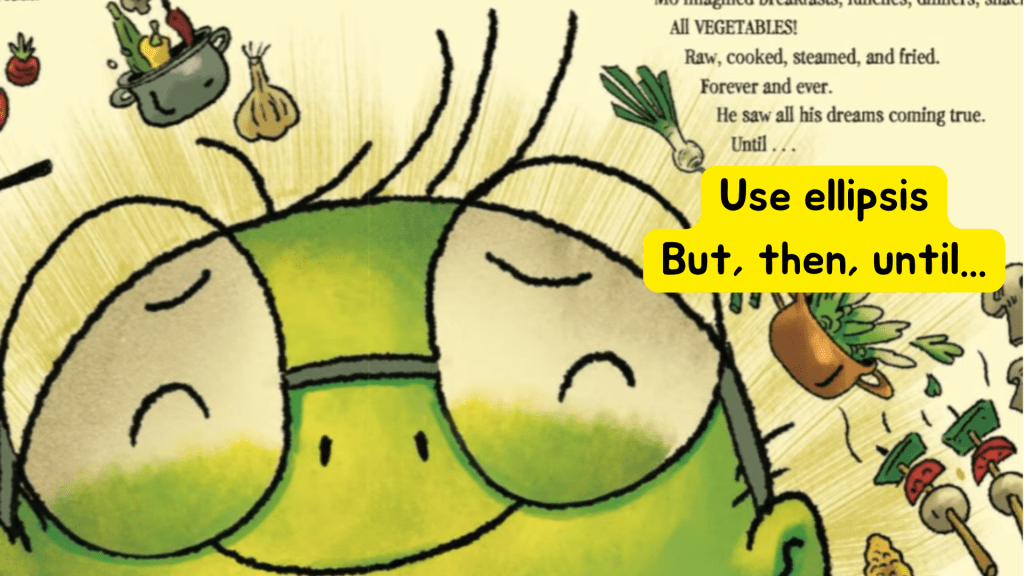
Simple tricks, such as ellipses (…) or “but” “then…” can make readers wonder what’s coming next. These small details create tension and make your story feel alive.

2. Make Readers Care About Your Characters
Suspense is great, but if readers don’t care about your characters, they won’t stick around. Show your character’s dark moments—their struggles, fears, and feelings. When readers connect emotionally, they’ll root for your character and keep reading.

3. Be Yourself
This lesson includes a Social Emotional Learning (SEL) component: Be Yourself—even when you feel different. Writing is a safe space to explore identity and emotions. Encourage kids to embrace their uniqueness in their stories. When they write from the heart, their stories shine.
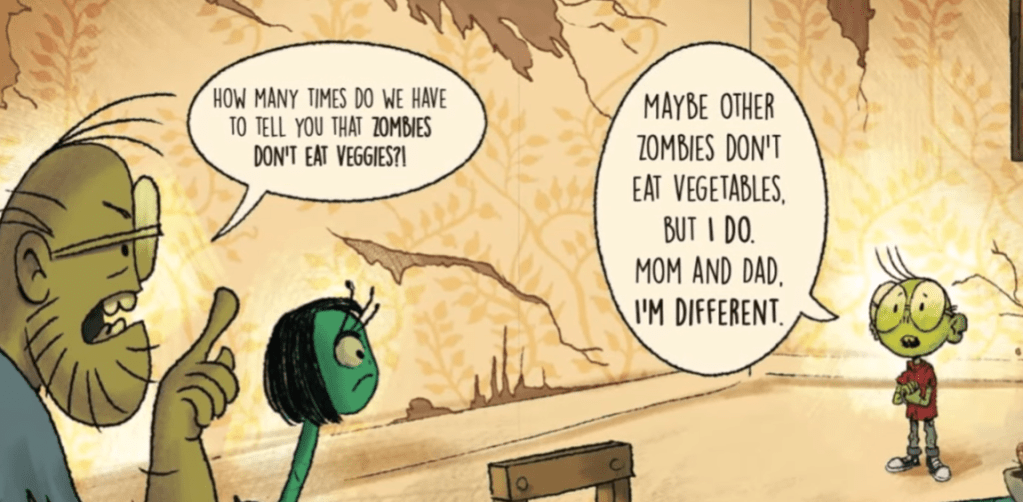
Mentor Texts for Inspiration
In the video, I share mentor texts that demonstrate these techniques in action. Seeing how professional authors use page-turners helps kids understand the craft and apply it to their own writing.
Ready to Practice?
Download the FREE activity kit at http://anafiction.com. It’s packed with exercises to help kids create suspense, develop characters, and write stories that readers can’t put down.
🎥 Watch the full video here:
👍 Like, share, and subscribe for more writing tips for kids!
In this short video, I show my writing process. But this process is not a quick one.
After getting an idea, I let it marinate in my mind for a while. I read at least 30 books about the theme/topic of my idea. I watch cartoons. I take notes. I go for walks to shake the ideas in my head.
And after a month or six months or a year, I have the idea finalized. I then outline the beginning, middle, and end. And that’s when I write my first draft.
And then, it’s time to send my draft to my critique partners and revise, revise, revise. I believe my picture books take an average of six months to be ready.
In this video, I quickly outline my process. In my other videos, you can check more details of each step. All videos offer different picture book mentor texts. My videos, presentations, and free resources are all included in this Vlog/newsletter. Some topics already covered are:
- Story Structure
- Plot, Climax
- Theme
- Add humor
- Hooking the Reader, Page Turners
- Descriptive Language
- Character Traits
Some topics to come:
- Character Arc
- Point of View
- Show, Don’t Tell
- Revision + Critique Partners
- And More.
Ideal to teach writing craft or to apply it to your own writing skills.
Here are the video + the slides. Check earlier activity kits.
Next week – Point of View + Perspective (how would you feel if…)
Let’s help kids fall in love with writing
 Ana - The Teacher and the Writer